

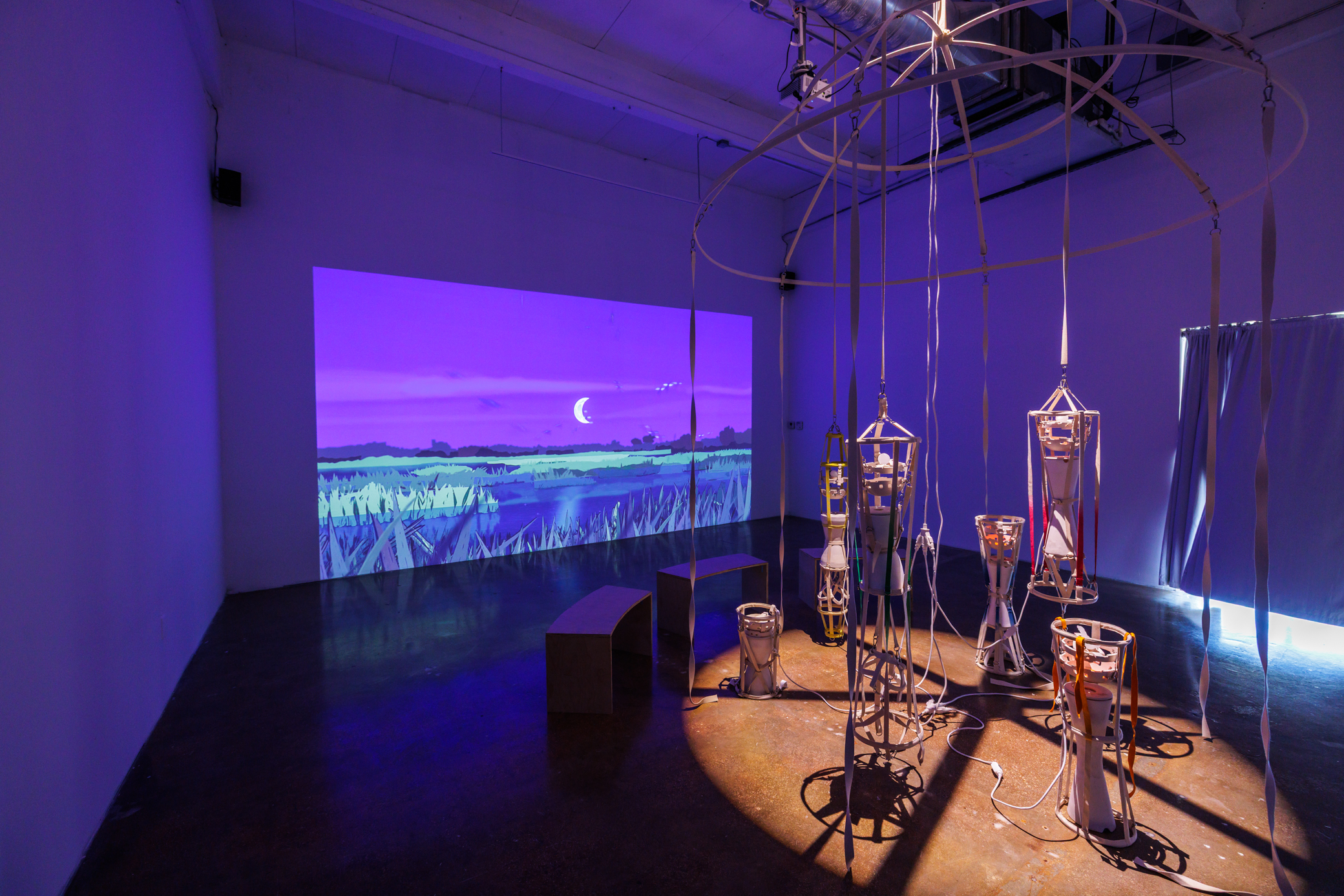
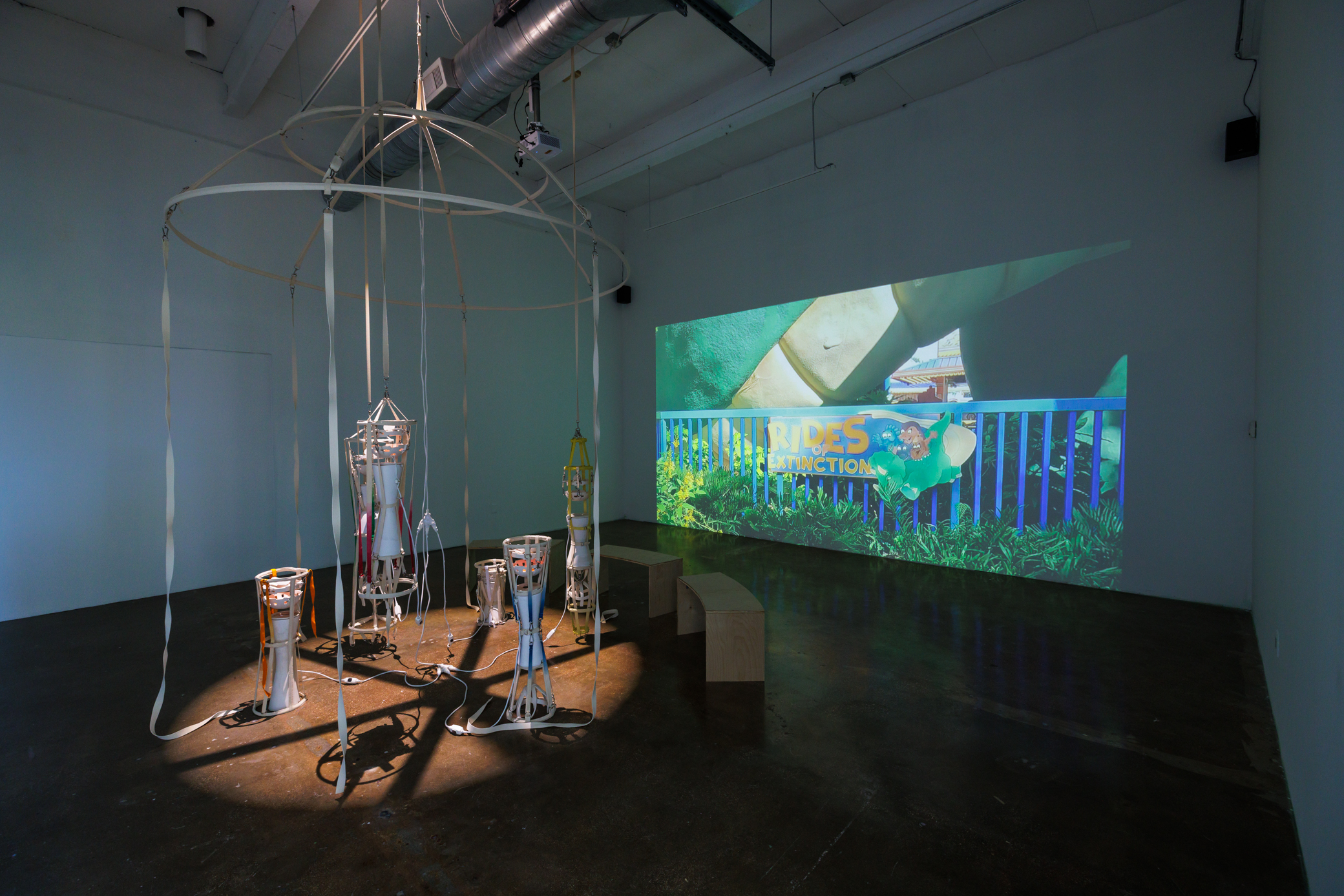
A Bought Kingdom is a newly commissioned multimedia immersive installation for Locust Projects' 625-sq ft Project Room by German-born, NYC-based artist Johanna Strobel confronting the ecological consequences of human ambition. The exhibition premieres in conjunction with Locust Projects' Spring Fling Annual Fundraiser on Saturday, April 18, 2026 and remains on view through June 13, 2026.
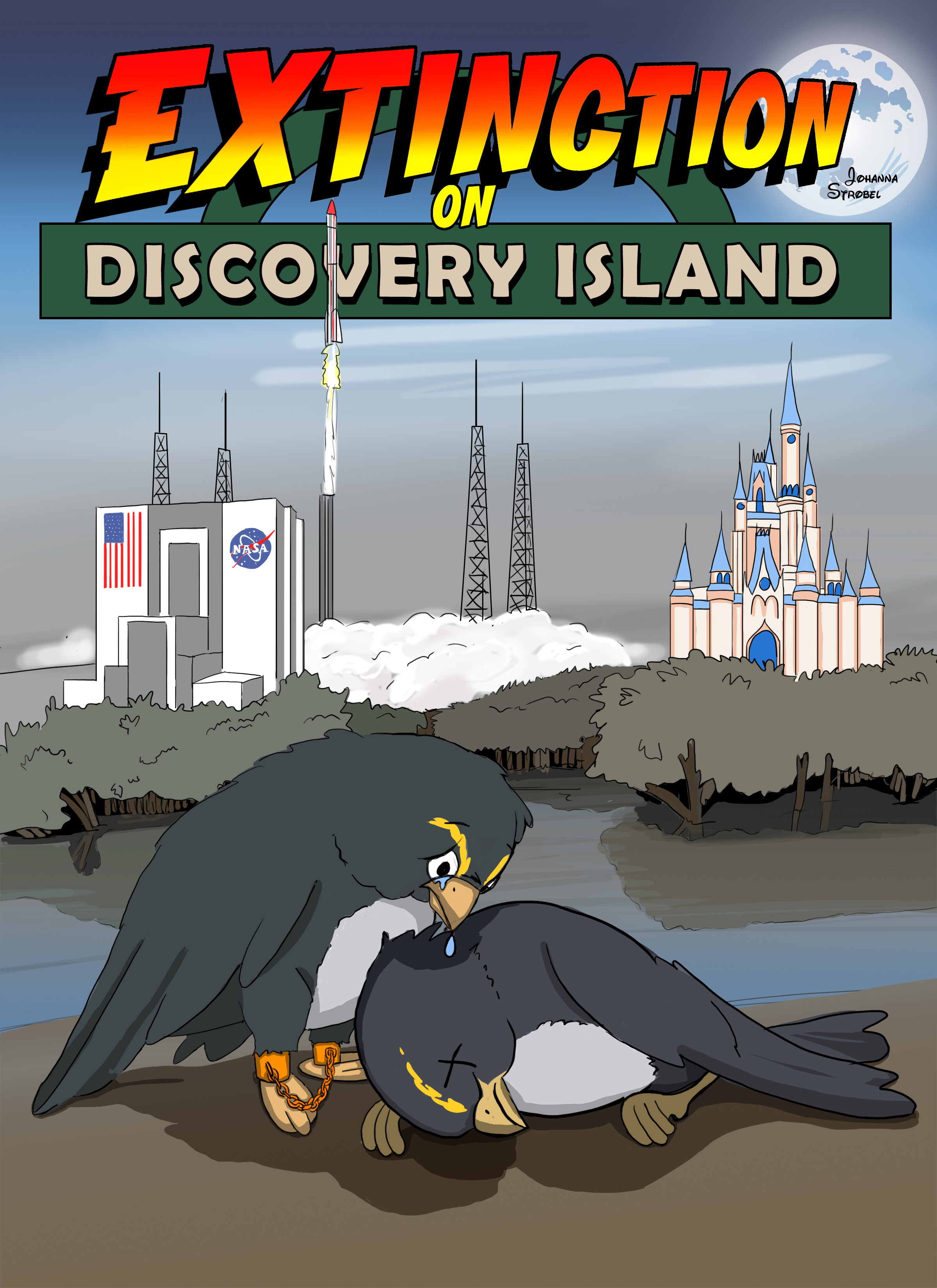
Rooted in the extinction of the Dusky Seaside Sparrow, a species whose small, marshy habitat was destroyed by the development of Kennedy Space Center on Florida's Meritt Island and the St. John's River, the project examines the complex intersections of environmental degradation and the United States' race to space. Strobel uses this little-known yet poignant history as a lens to explore broader themes of ecological fragility, loss, and the consequences of progress and power.
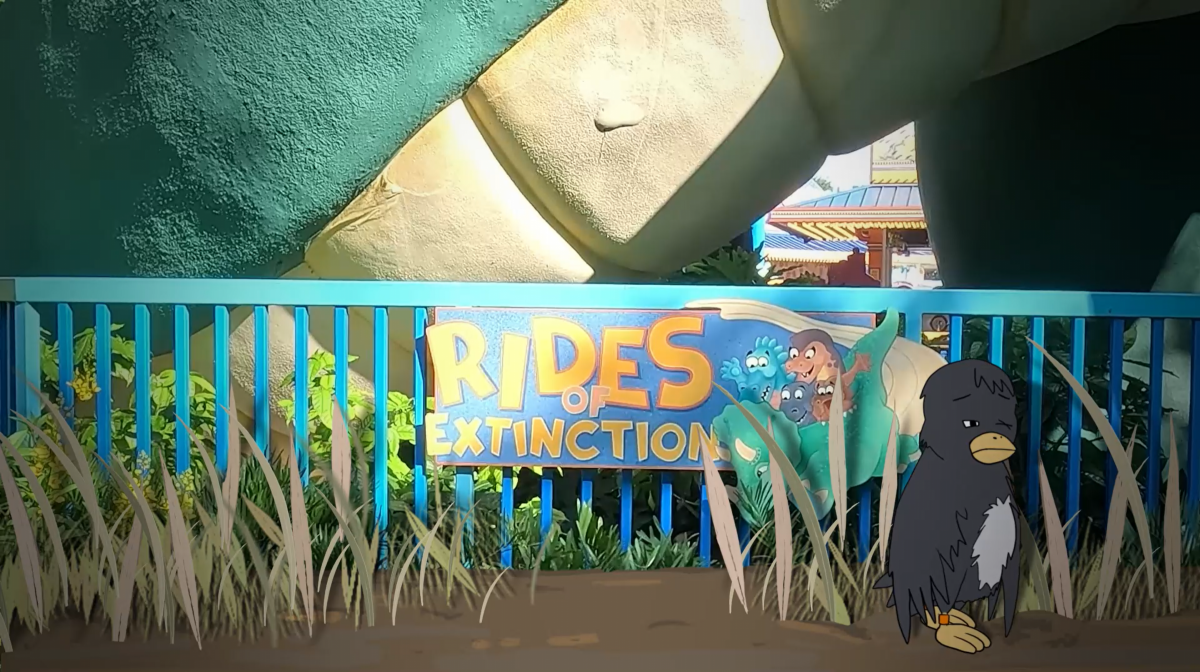
The project traces the extinction of the Dusky Seaside Sparrow, a small bird that lived in the salt marshes on Merritt Island's fragile and unique salt marsh ecosystem - the species’ only and limited habitat. It was gradually destroyed in the 1960s by the development of Kennedy Space Center, along with the accompanying infrastructure projects. Massive interventions such as the use of pesticides like DDT and the deliberate flooding of the area to control mosquito populations irreversibly altered the ecosystem. Following a rapid decline in the Dusky population, the last six remaining birds—named after the colored identification bands on their legs: Blue, Green, Red, White, Yellow, and Orange Band—were captured and sent on an odyssey through various institutions for failed breeding attempts. All the birds were male. The four surviving birds were eventually relocated to Discovery Island, a zoo on a small natural island that was part of Disney World at the time. There, they died one after another in captivity, after all final breeding efforts failed. A decade later, Disney abandoned Discovery Island without explanation. Today, the island is overgrown, though some structures are still visible from the shores of Bay Lake, which is lined with various Disney resorts. Disney later built a new, artificial Discovery Island within the Animal Kingdom theme park—just a few kilometers away. Today, Merritt Island is a nature reserve, but this designation came too late for the Dusky Seaside Sparrow.
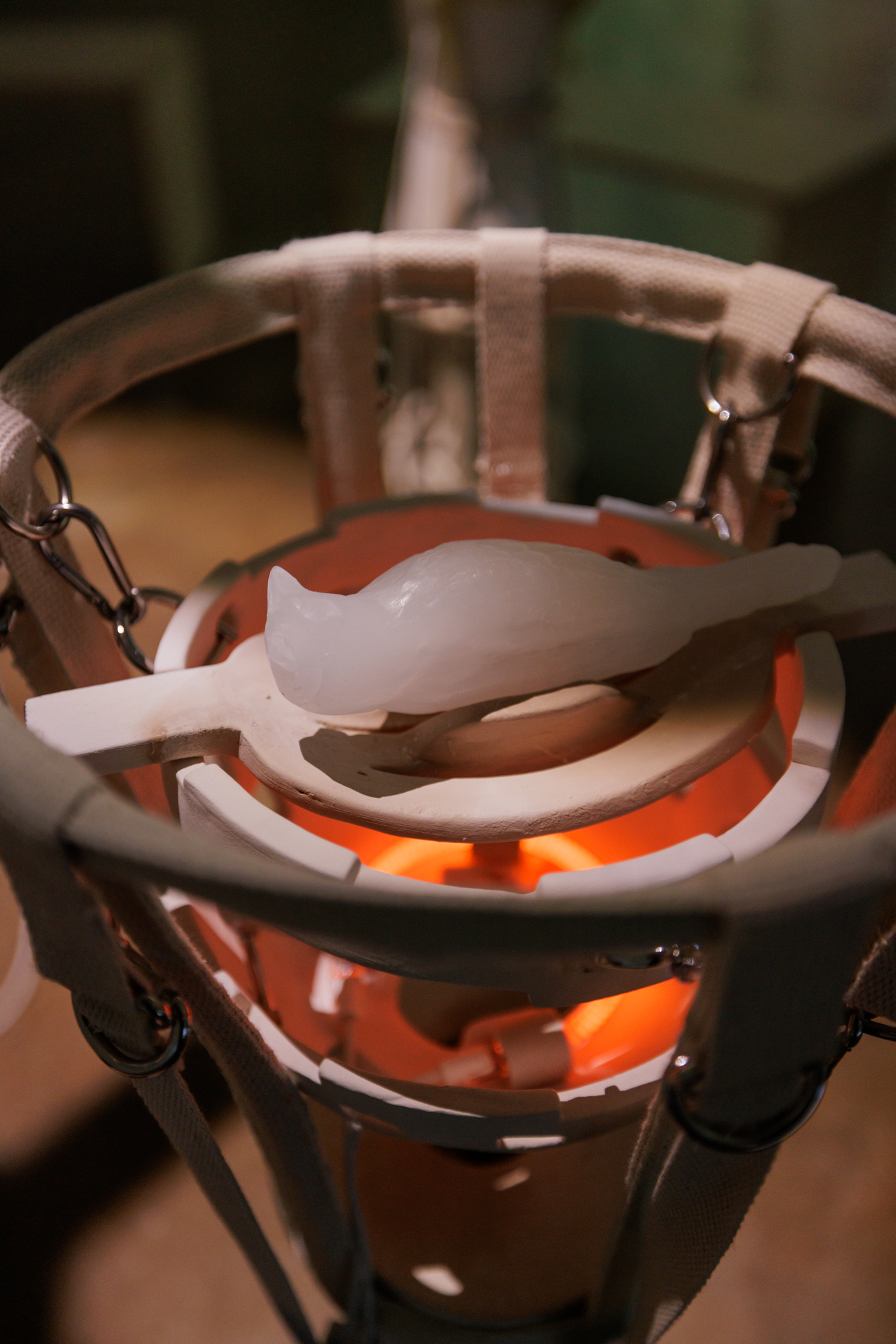
Playing off Walt Disney World's theme park, Strobel's immersive installation reimagines Disney’s Enchanted Tiki Room as a space of quiet reflection versus the original attraction's 225+ animatronic singing birds. Under a dome-like structure, sculptural timepieces depicting birds and eggs made from wax that slowly melt, harden, and remelt, referencing precarious natural cycles. As the wax gradually evaporates during the remelting process, the cycles accelerate, and eventually--once the wax has run out--it stops. On the wall is a projection of a hand-drawn animation and live-action video tracing the Dusky Seaside Sparrow's extinction. Told from the perspective of Orange Band, the name of the last surviving Dusky Seaside Sparrow, the work unfolds as a musical reminiscent of Disney's beloved animated films, but telling a darker tale. While true, the story is not a documentary, but a fable about time, change, beauty, loss, and longing in a world that is devastated by human activity.
The exhibition is a Knight Digital Commission and is accompanied by a publication published by EXILE. Special thanks to Amanda Keeley.
About the Artist
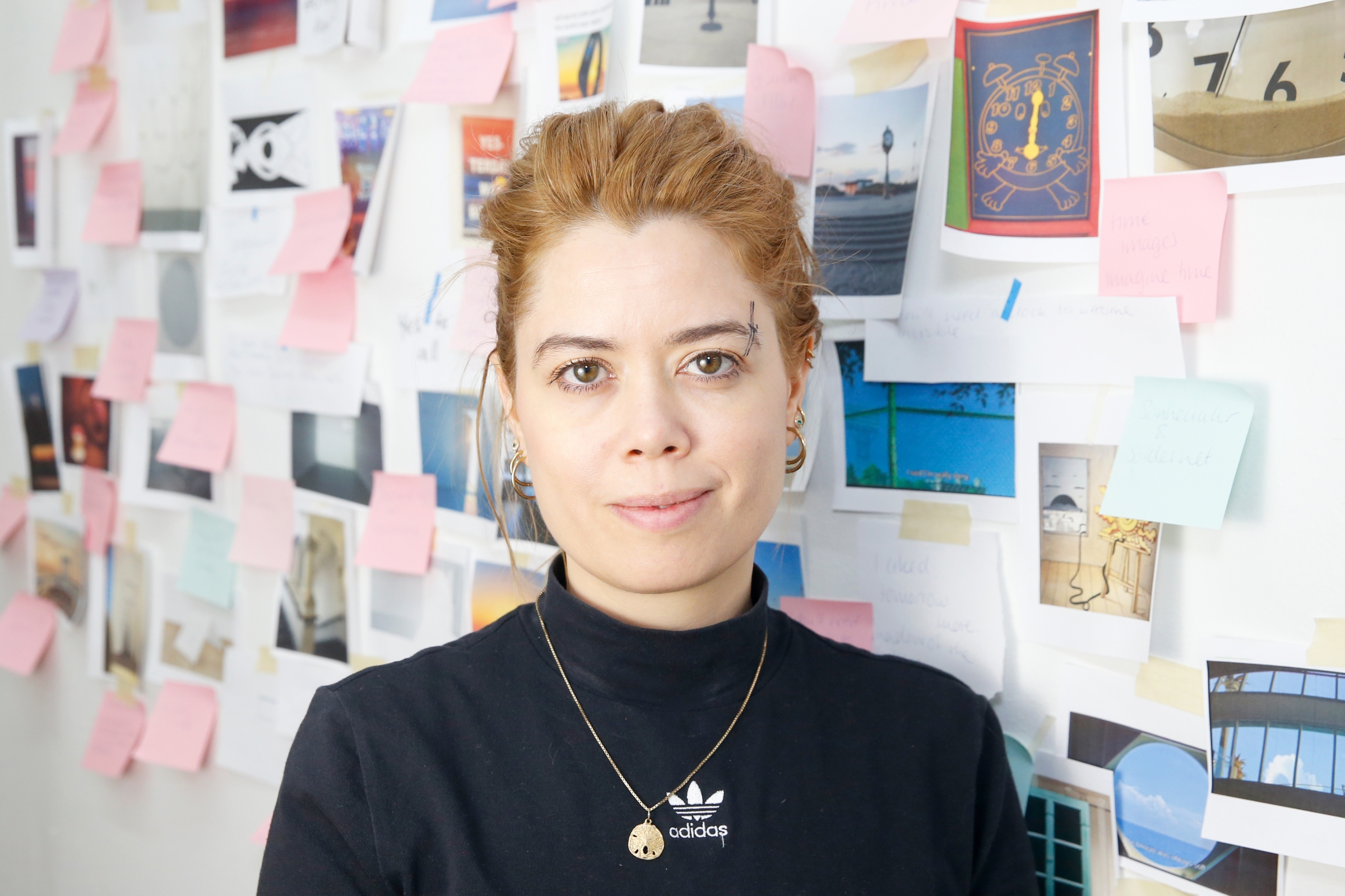
Johanna Strobel is a German-born, New York-based, interdisciplinary artist whose practice investigates the intersections of ecology, technology, and human intervention through sculpture, video, and installation. Her work often explores the fragility of natural and constructed systems, examining themes of transformation, extinction, and the temporal nature of existence. Strobel integrates advanced materials like ceramics, silicone, and paraffin wax with multimedia storytelling, creating immersive environments that blur the boundaries between narrative and form. Her projects are recognized for their poignant critique of humanity’s impact on the natural world, offering poetic meditations on ecological loss and resilience. Combining a conceptual rigor with material experimentation, Strobel’s work resonates with audiences by bridging the personal and the universal, urging deeper consideration of the environmental consequences of human progress.
Strobel has exhibited internationally at institutions and galleries in Germany, Italy, Austria, Taiwan, Korea, Canada, and the US, including at the Neues Museum Nuremberg; Bundeskunsthalle, Bonn; Museum Gunzenhauser, Chemnitz; Kunstverein Munich; Institute for Modern Art, Nuremberg; Künstlerhaus Bethanien, Berlin; NADA House, New York; and NARS Foundation, Brooklyn.
Strobel was a fellow of the Program for the Realization of Equal Opportunities for Women in Research and Teaching of the State of Bavaria and a member of NEW INC, the New Museum’s cultural incubator (New York). She is a member of Mensa International, and a TEDx speaker.
She holds parallel degrees in Information Science and Mathematics from the University of Regensburg, Germany and graduated with Honors in Painting and Graphics from the Academy of Fine Arts Munich, Germany. In 2020 she received an MFA in New Genres from Hunter College New York where she currently teaches.
Want to know about upcoming exhibitions, programs, and events? Get Artist eNews with opportunities for artists? Get connected today: sign up for monthly eNews here.
As Miami's leading alternative nonprofit art space, we rely on the support of donors to help make art happen. Thank you for considering a tax-deductible donation today. GIVE NOW.